
Weight assessment: health, habits and individual risks
Weight is shaped by interconnected factors. Assessment considers weight and waist circumference, health conditions, medicines, food, movement, sleep and personal goals—not just a single blood test result.
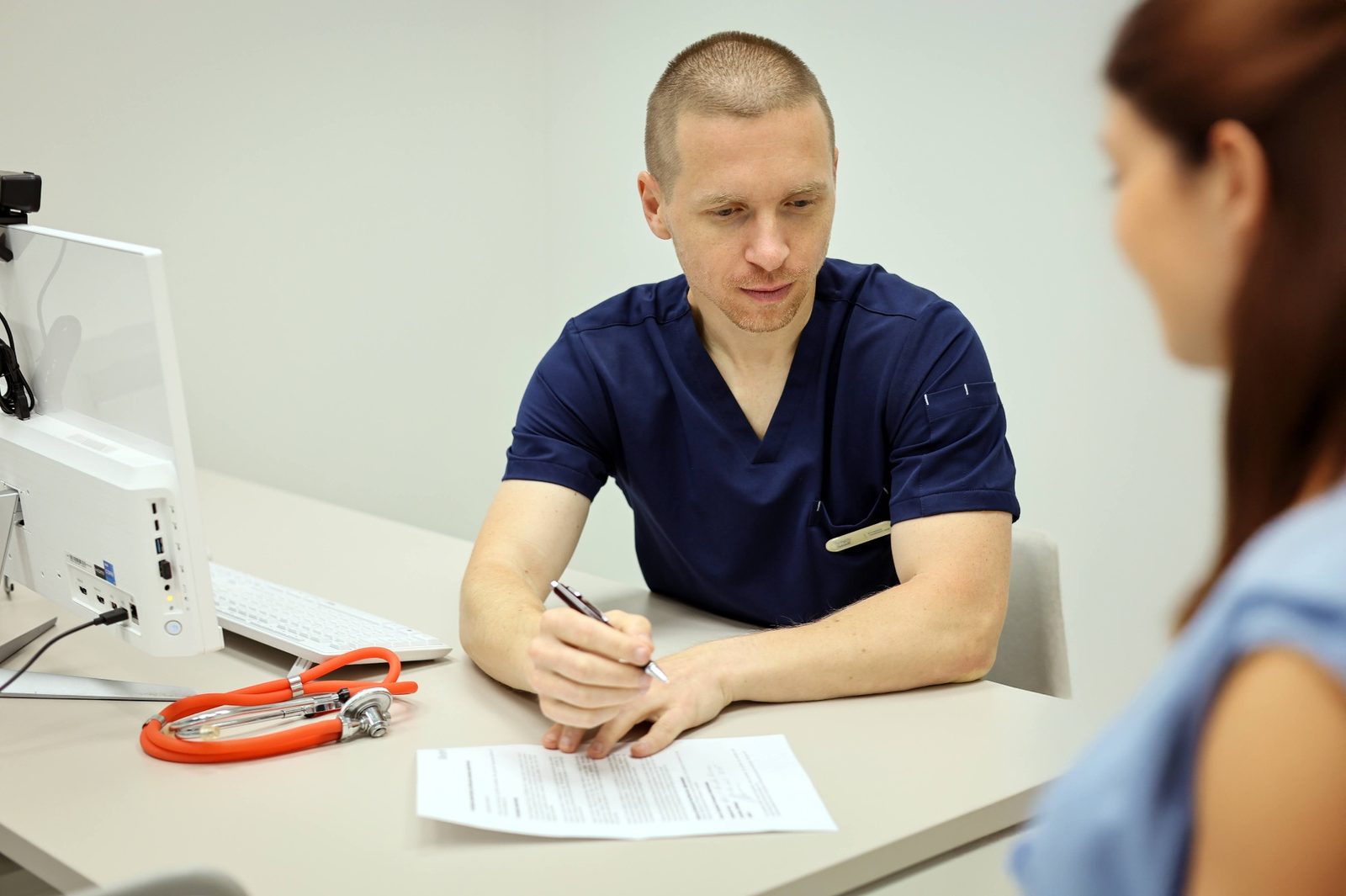
“We assess health and goals without blame or promises of results.”
- Dr Saadi
You are not alone
First we listen, then we measure, then we help
We discuss past experiences, everyday possibilities and health risks. Nutrition, physical activity, sleep and psychological wellbeing support complement each other. A dietitian, psychologist or specialist may be helpful where needed; no single test provides a ready-made plan for everyone.
Book a consultationThe whole picture
Factors assessed in context
These are not six definite causes of weight difficulties. Associations and their importance vary between people; tests are selected according to clinical need.
Insulin resistance and blood glucose
Insulin resistance can accompany central adiposity and impaired glucose regulation. It does not make weight loss impossible. Diabetes risk is usually assessed using glucose or HbA1c; insulin and HOMA-IR are not needed for everyone and have no universal diagnostic cut-off.
Appetite and eating patterns
Appetite is influenced by biological signals, the food environment, habits and psychological wellbeing. Leptin measurement is not part of routine weight assessment. Suspected binge eating or an eating disorder needs attention, not blame.
Thyroid and other conditions
Hypothyroidism can affect weight but does not explain every weight gain. The European Society of Endocrinology guideline recommends thyroid function testing in obesity (TSH first); other hormonal investigations are selected when indicated. Cortisol or a broad hormone panel is not necessary for everyone solely because of their weight.
The assessment process
Three parts of individual care
Goals may include wellbeing, reducing metabolic risks or weight change. No specific kilogram target or timeline is promised.
Health history and risks
Review health, weight changes, food, movement, sleep and medicines. Investigations follow clinical need, not a standard hormone package.
Shared next steps
Agree realistic nutrition, movement and recovery goals. Consider mental health, eating behaviour and support from other professionals.
Reviewing progress
Review health markers and how the plan fits at an agreed time. Short and long appointment details are described on the services page; it is not a guarantee of results.
Components of medical assessment
Investigations and advice according to need
Not every test is necessary for everyone. Before ordering a test, discuss its purpose and whether the result will change management.

Consultation
Health history, existing results, medicines and goals. Consultation lasts 30 or 60 minutes; current services and prices are on the services page.
Open: ConsultationIndicated blood tests
Depending on symptoms and risks, examples include glucose or HbA1c, lipids and other necessary tests. The need for insulin, inflammatory markers and hormones is considered separately.
Body composition assessment
BMI and waist circumference provide useful but limited information. DXA can add information in selected situations; it is not essential for every weight assessment.
Open: Body composition assessmentGenetic test limitations
Existing genetic information should be interpreted cautiously. Synage does not offer genetic testing as a standalone service.
Open: Genetic test limitationsWhen to ask for advice
Need depends on health, not a kilogram threshold
An arbitrary “over 3 kg” threshold does not determine the need for medical assessment. Symptoms, risks and personal goals matter.
Fits if
- Weight or waist circumference is increasing and you want to assess health risks
- You have glucose, blood pressure or lipid-related risks
- Weight changes accompany symptoms or medication changes
- You want to discuss suitable nutrition and movement habits
- You need support that also considers sleep, mental health and eating behaviour
Doesn’t fit if
- Rapid weight change or a specific outcome cannot be promised
- Suspected eating disorders require appropriate specialist care; a weight-loss plan alone is insufficient
- Acute illness or rapid unexplained weight change needs timely medical assessment
Scientific sources and limitations
- NICE NG246: Overweight and obesity management (2025)
- EASO: framework for diagnosis, staging and management (2024)
- European Society of Endocrinology: Endocrine work-up in obesity (2020)
Guidelines support general principles, not an individual diagnosis. The EASO 2024 article is an expert assessment framework, not a separate clinical practice guideline. Information reviewed 30 October 2026.