Lifestyle medicine guide

Evidence-based strategies and lifestyle foundations

Clinically tested guides and biochemical methods from Dr Sergey Saadi for daily stress resilience, better sleep and movement.

01 · Movement

Metabolic training and movement

Properly dosed training is the single most powerful intervention for improving insulin sensitivity, mitochondrial capacity and reducing visceral fat. Below are four core modalities and the golden rules of their use.

Strength training

3× a week · in the first half of the day

Muscle loading improves insulin sensitivity by activating GLUT4 transporters in muscle cells independently of insulin. It effectively lowers baseline blood sugar and the load on the pancreas. Training in the morning or early afternoon prevents excess evening cortisol.
Aerobic training (Zone 2)

2–3× a week

Brisk walking, easy running or cycling at low intensity (a pace at which you can hold a conversation). Zone 2 drives mitochondrial biogenesis, improves metabolic flexibility and is the main channel for oxidising visceral fat.

HIIT — high-intensity intervals

1× a week

Short maximal efforts to raise VO₂ max and burn stubborn visceral fat. HIIT delivers a powerful afterburn effect but is only appropriate when the body is fully recovered.

Mobility and stretching

Daily complement

Regular stretching maintains joint mobility, releases muscle tension and supports lymph flow, helping the body clear inflammatory metabolites.

Golden rules of metabolic training
  • 01Always prefer fresh air to stuffy crowded gyms. Training outdoors improves tissue oxygenation, and natural sunlight supports the circadian rhythm.
  • 02Don't train intensely after a heavy, emotionally and cognitively draining workday. High workplace stress raises baseline cortisol — adding intense load disrupts the HPA axis (hypothalamus–pituitary–adrenal) and worsens insulin resistance. On such days, choose only a light recovery walk or gentle stretching.
  • 03Avoid fast-absorbing carbohydrates immediately before training. Carbohydrates spike insulin, which blocks lipolysis (the release of fat from stores) and suppresses growth hormone (HGH) secretion during exercise.
02 · Nervus Vagus

Vagus nerve and stress regulation

The vagus nerve (nervus vagus) is the longest cranial nerve and governs the autonomic nervous system, driving the "rest and digest" (parasympathetic) response. High vagal tone lowers systemic inflammation and improves HRV and stress resilience.

03 · Sleep

Sleep and rhythm optimisation

Sleep is the most important cornerstone of metabolic health and tissue renewal. Sleep deprivation lowers growth hormone (HGH) and raises the risk of insulin resistance by 45%.

Blue-light blocking (orange) glasses

Evening blue light from screens suppresses melatonin by up to 50% and shifts the sleep phase. Orange glasses worn 2–3 hours before bed block 95–99% of blue light and support natural sleep onset.

Chang AM et al., PNAS, 2015 · Gooley JJ, J Clin Endocrinol Metab, 2011

Anatomical 3D sleep mask

Complete darkness is a well-studied way to support sleep quality: even faint light through the eyelids can disrupt melatonin secretion and reduce deep (N3) sleep.

Mason IC et al., PNAS, 2022 · Obayashi K, Sleep Med, 2016

Red and infrared light lamp

Red (630–700 nm) and near-infrared (800–1100 nm) light in the evening stimulates mitochondrial energy production, reduces inflammation and doesn't disturb the circadian rhythm.

Zhao J et al., J Athl Train, 2012 · Hamblin MR, Photochem Photobiol, 2018

Pulsetto — non-invasive vagus nerve stimulator

A transdermal VNS device using low-frequency current applied to the neck. A daily 4-minute stimulation lowers cortisol and anxiety and improves night-time HRV.

Clancy JA et al., Brain Stimul, 2014 · Burger AM, Psychoneuroendocrinology, 2020

Magnesium glycinate (evening supplement)

Magnesium is a cofactor in more than 300 enzymatic reactions. The glycinate form crosses barriers well, acts as an NMDA antagonist and activates GABA receptors, supporting muscle relaxation and sleepiness. Dose: 300–400 mg one hour before bed.

Abbasi B et al., J Res Med Sci, 2012 · Zhang Y, Nutrients, 2022

A list of tested and approved tools

Once the foundation is in place, the devices, books and tools below amplify your progress with measurable, data-driven feedback.

01 · Measurement

Diagnostics and data

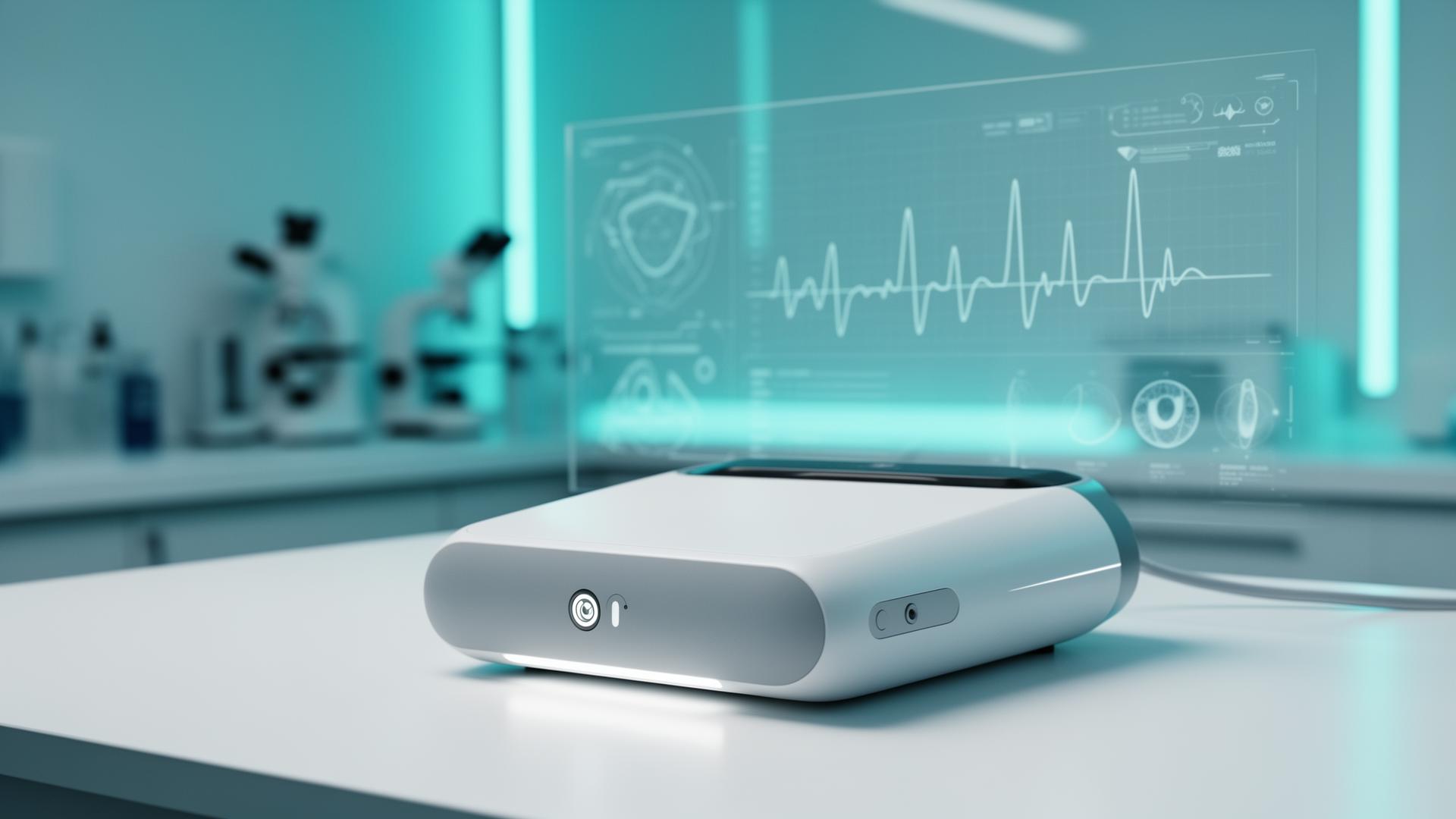
The first step in any protocol is measurement. These devices give an objective picture of metabolism, body composition and your daily response to food.

Diagnostics and data

CGM system (continuous glucose monitor)

Why it matters

A 14-day continuous glucose monitor reveals in real time how food, sleep and stress affect your metabolism — the foundation of any personal protocol.

Glucose14 daysSensor

Keto-Mojo GK+ — ketone and glucose kit

Why it matters

Blood β-hydroxybutyrate is the clinically reliable marker of ketosis, used in the educational monitoring of ketogenic protocols.

β-HBABloodClinic-grade

Withings Body+ — body composition scale

Why it matters

Bioimpedance separates body weight into muscle, fat and water. A weekly trend shows whether weight loss is coming from fat rather than muscle.

MuscleFat %Trend

Sibio KS1 — continuous ketone monitor

Why it matters

The first non-invasive continuous ketone and glucose monitor (CKM), measuring β-hydroxybutyrate through the skin in real time. Replaces finger pricks and gives a full picture of the depth and duration of ketosis during keto or fasting protocols.

β-HBAContinuousNon-invasive
02 · Sleep and nervous system

Sleep and vagus nerve support

Sleep architecture and parasympathetic balance form the foundation of metabolism, hormonal health and recovery. These tools restore the natural daily rhythm.

Sleep and vagus nerve support

Orange blue-light blocking glasses

Why it matters

Blue light after sunset suppresses melatonin. Orange glasses worn 2–3 hours before bed restore the natural sleep cycle.

MelatoninCircadian

Anatomical 3D sleep mask

Why it matters

Complete darkness triggers maximum melatonin production from the pineal gland. A 3D anatomical shape doesn't press on the eyes and protects REM sleep.

DarknessREMComfort

Red / infrared therapy lamp

Why it matters

Wavelengths of 660 nm and 850 nm boost mitochondrial ATP production, accelerate recovery and support skin and hormonal health.

MitochondriaATP660/850 nm

Pulsetto vagus nerve stimulator

Why it matters

Non-invasive transcutaneous vagus nerve stimulation (tVNS) activates the parasympathetic system — 10 min/day improves HRV-based stress markers.

tVNSHRVStress ↓
03 · Expert books

Recommended reading

Dr Saadi's own books and recommended scientific literature on low-carb living and metabolic health.

Recommended reading
Personal direction

Want a lifestyle plan tailored to your biomarkers?

Start with our interactive health assessment — the system will guide you to the right guide, course or consultation.

Newsletter

Be the first to receive new guides

Subscribers get new free protocols and practical recommendations before anyone else. One email a month.

GDPR-compliant

Legal notice and limitation of liability

  • The content of this website and all published materials (articles, guides, PDFs, recipes, recommendations, video and audio) is provided for educational and informational purposes only. It is not medical advice, a diagnosis or a treatment recommendation for any specific person.
  • Reading, downloading or using this content does not create a doctor–patient relationship and does not replace a consultation with your physician, dietitian, pharmacist or other healthcare professional.
  • The target values, doses, supplements, protocols and schedules shown are general references to scientific literature. Your individual health condition, medications and contraindications may make these recommendations unsuitable or unsafe for you.
  • Before changing your diet, exercise, fasting, cold therapy, supplements or medications, consult your physician — especially if you have diabetes, cardiovascular disease, high blood pressure, thyroid disorder, kidney or liver disease, an eating disorder, are pregnant, breastfeeding or under 18.
  • Emergency: for acute symptoms (chest pain, shortness of breath, loss of consciousness, severe headache, neurological symptoms) call 112. For non-urgent questions, the family doctor advice line 1220.
  • Third-party products, brands and devices mentioned are provided for educational purposes only — this is not an endorsement or recommendation to purchase any specific product. Some links may be affiliate links; they do not change the price for you.
  • The author and OÜ Süsivesik accept no liability for direct or indirect damages arising from use of, reliance on or interpretation of this content. Use of these materials is at the reader's own risk.